Market Research · TED-style talk · Individual
Can Jaguar reinvent luxury?
In 2024 Jaguar dropped its leaping cat and announced an all-electric, ultra-luxury future. Before Jaguar relaunches in Australia, it needs to know how the buyers it wants actually feel about that change. I defined the research problem and presented it as a short talk.
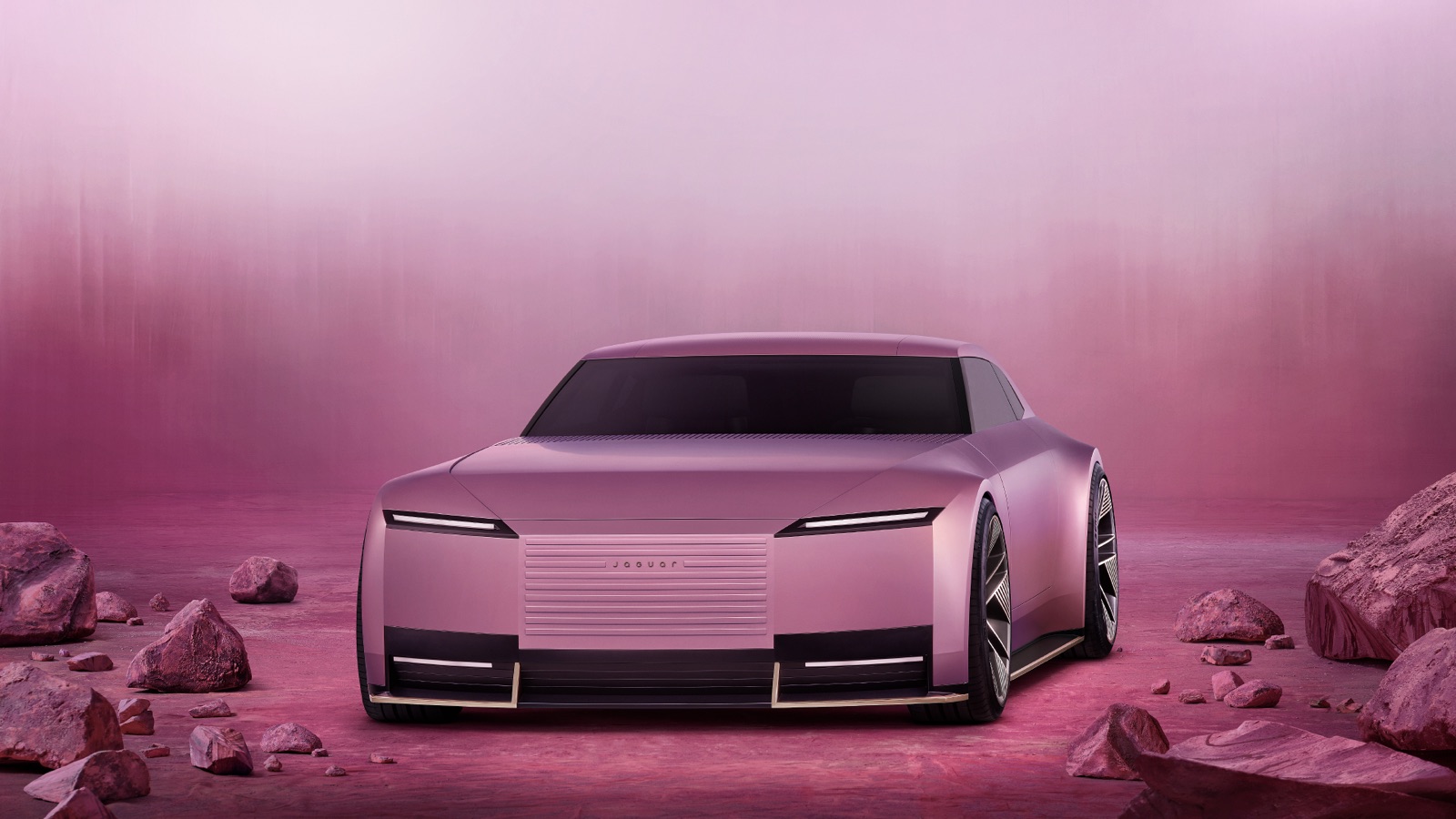
Jaguar Type 00 concept. Image: JLR Media, used under the JLR Media User Licence
The brief
Choose a real brand facing a marketing decision. Turn that decision into a clear research problem, review the existing evidence, and present it in a short TED-style talk. The talk also had to reflect critically on how AI was used in the research.
Jaguar was a strong case. No new Jaguars had been on sale in Australia since December 2025. When the brand returns, its first model is reported at around A$300,000, almost five times what the average Australian EV buyer spends.
My role
This was an individual project. I researched the market, evaluated sources, defined the problem, wrote the script, designed the slides and recorded the talk.
Approach
From business decision to research problem
Jaguar's management problem is how to relaunch successfully in Australia. Behind it sits a research problem:
How do Australian luxury car owners perceive Jaguar's electric repositioning, and does it change whether they would consider Jaguar at relaunch?
Reviewing the evidence
I reviewed academic studies, industry reports, government data and consumer research, and scored each source for credibility. The evidence changed my focus. I started with luxury buyers aged 30 to 55. The price point and the research narrowed this to people who already own high-end luxury cars. I would compare existing Jaguar owners with owners of rival German brands, the buyers Jaguar says it wants to win.
Key insights
Heritage builds trust
Brand heritage creates trust and emotional attachment, which is exactly what Jaguar is putting at risk.
Online backlash isn't the full story
One study found 60% didn't link the new Jaguar with luxury. Other research showed 40% said the campaign didn't change how they felt about the brand.
The real gap
No existing study asks Australian luxury car owners, Jaguar's actual target buyers, how they feel about the change.
AI needs checking
One AI tool agreed with me when I was wrong, and another admitted that some of its citations were placeholders. AI supported my research, but it never replaced my own judgement.
Recommendation
Start with in-depth interviews with both groups, Jaguar owners and owners of rival brands, to explore how they feel about luxury, heritage and the new identity. Then run an online survey to test whether those views hold across a larger sample. The survey should include questions about real buying plans, to close the gap between what people say and what they actually buy.
Result
84 / 100
Distinction. The talk turned a high-profile rebrand into a focused research problem, and explained it clearly in a few minutes.
Finding Home →